How to Optimize Your Shopify Store for AI Indexing

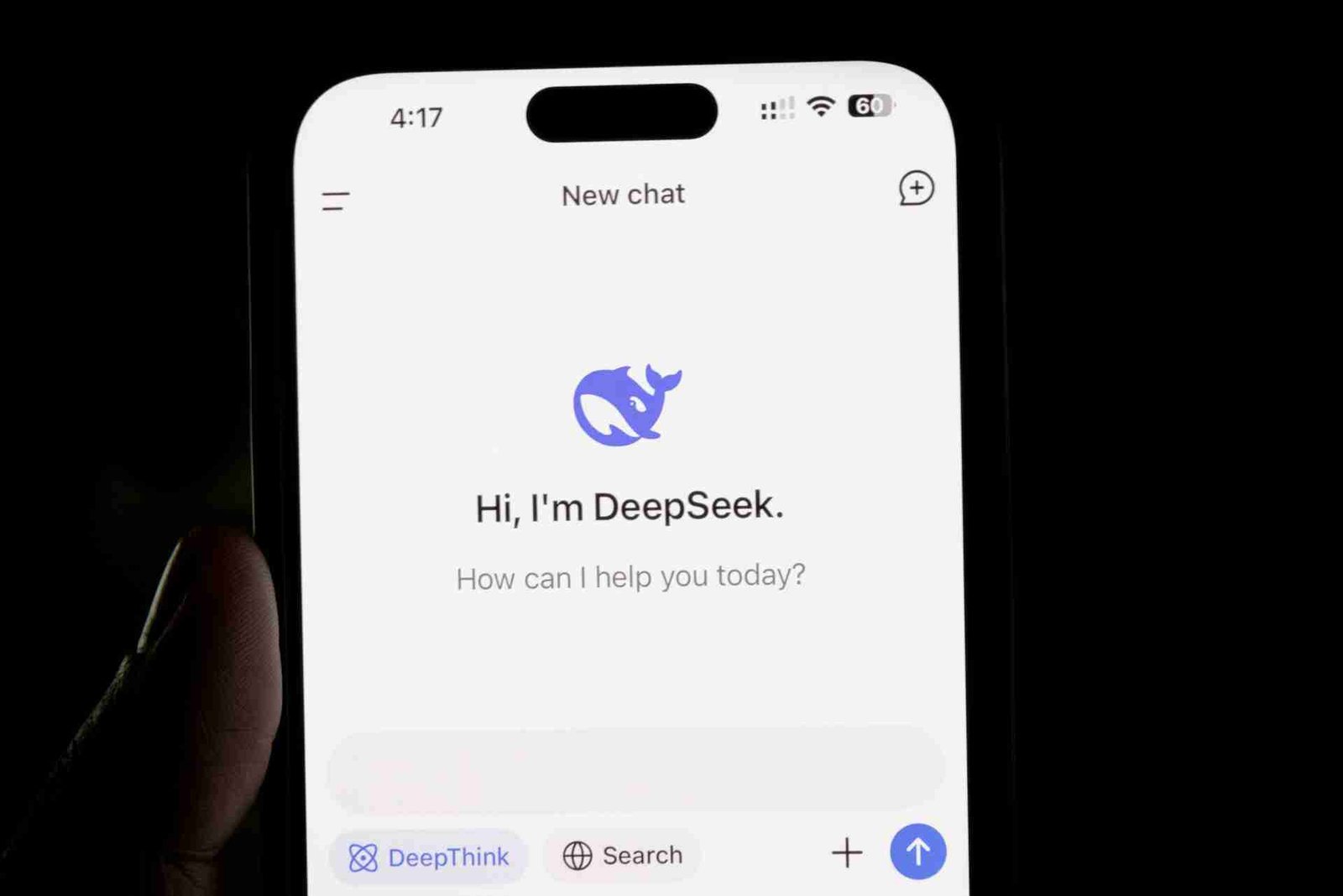
If you're not optimizing for AI, you're invisible to the future. With search behavior shifting from keyword queries to conversational questions, your Shopify store needs to speak the language of Large Language Models (LLMs). Here is your step-by-step guide to AI indexing optimization.
1. Structure Your Data for Machines
AI crawlers don't "see" your website like a human does; they read code. The cleaner your code, the better they understand your products.
- Schema Markup (JSON-LD): Ensure every product page has rich snippet data. This explicitly tells the AI: "This is a product," "This is the price," "This is the review count." Shopify themes often include basic schema, but it's frequently incomplete.
- Semantic HTML: Use proper heading tags (H1, H2, H3) to create a logical hierarchy. Don't use H2s just for styling text; use them to title sections.
2. Implement llms.txt
Just as robots.txt tells traditional crawlers where to go, the newly proposed llms.txt standard is designed specifically for AI models.
This file should live at the root of your domain (e.g., yourstore.com/llms.txt) and provide a markdown-formatted summary of your most important pages. It acts as a "cheat sheet" for AI, ensuring it gets the most critical facts about your brand correct without having to parse complex HTML.
3. Optimize Product Descriptions for "Context"
Old SEO was about keyword stuffing. AI SEO is about context.
Instead of just listing "Blue Cotton T-Shirt," describe the usage and benefits.
Good for AI: "This breathable men's t-shirt represents a classic wardrobe staple, crafted from 100% organic cotton for sensitive skin. Ideal for summer casual wear or as a comfortable undershirt layer."
The second example gives the AI "hooks" to answer questions like "What's a good shirt for sensitive skin?" or "Summer outfit ideas."
4. Check Your Robots.txt
Many store owners unknowingly block AI crawlers. Ensure your robots.txt file isn't disallowing user agents like GPTBot, ClaudeBot, or CCBot. If you block them, they cannot index your content, and you will never appear in their answers.
5. Leverage IndexNow
Waiting for a crawl can take weeks. IndexNow is a protocol that instantly notifies search engines (like Bing, which powers ChatGPT's web search) when you update content.
Using an app like IndexGPT automates this entire process, pinging the search engines the moment you change a price or add a product.
Automate Your AI Optimization
Manually creating llms.txt files and pinging IndexNow for every product update is a full-time job. Let IndexGPT handle the technical heavy lifting so you can focus on selling.
Start Free Trial